
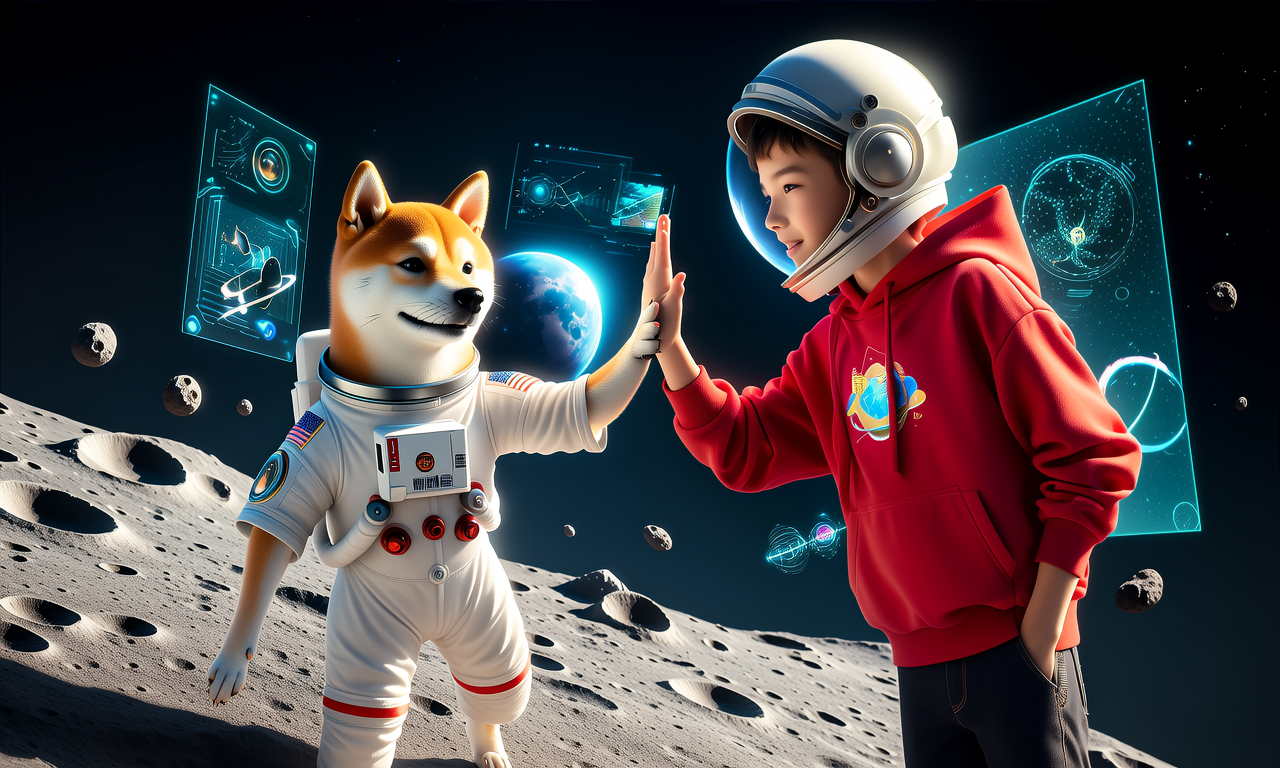
When it comes to the change of multi-subject image generation technology to the design industry, we have to admit that it is simply a great liberation of creativity! Remember before, when making a simple poster, just finding the right material would be enough to keep a designer busy for half a day. And now? Want a picture of a teenager in a red sweater and a Shiba Inu in a spacesuit high-fiving on the surface of the moon, AI can give a dozen versions in a few seconds. This improvement in efficiency has made it possible for many ideas that were originally shelved due to cost issues to take hold - to be honest, some of my designer friends were a little worried at first that they would not be replaced by AI.
Revolutionary simplification of the design process
There are many amazing application scenarios in the actual project. The advertising industry is a typical example. In the past, when shooting a set of interactive publicity photos with multiple characters, it was necessary to consider a series of problems such as modeling schedules, clothing and props, and venue rental. Now with XVerse this kind of model, the customer put forward in the morning, "need five models of different ages in the rainforest to use the product" needs, the afternoon will be able to see a preview of the effect. A well-known FMCG company revealed that their advertisement production cycle in last Christmas season was shortened from 3 weeks to 4 days, and the modification cost was reduced by nearly 70%.
A New Paradigm for Creative Collision
What's more exciting is that this technology is giving rise to entirely new design methodologies. One impressive design team shared their "Creative Collision Session": team members each use AI to quickly generate 20 completely different variations of a multi-body design, and then print them out and post them on the wall for brainstorming. They said that this approach breaks the linear thinking of the traditional design process, and often leads to unexpected creative sparks - a far cry from the days of tweaking layers in PS.
Of course, problems have arisen. Several senior designers I interviewed mentioned that the biggest challenge now becomes creative management instead. When the number of generation options increases infinitely, how to control the creative direction and maintain the unity of the brand, all of these need to establish a new working standard. Interestingly, some studios have begun to set up the position of "AI Creative Director", responsible for managing and optimizing the quality control of AI-generated content.
The Spring of Customized Design
Perhaps most anticipated is the spread of hyper-personalized design. Clothing brands have been able to use this technology to generate exclusive model fitting charts for each customer, and furniture websites can generate a rendering of a scene containing all the desired products in one click according to the customer's house type. Data shows that e-commerce platforms using this technology have increased conversion rates by an average of 35%, and the return rate has dropped by nearly half - after all, consumers will be able to see a more realistic display of the results before they buy.
I have to say, the field is changing so fast that it's a bit overwhelming. I remember last year there was a discussion about whether AI could replace the work of junior designers, and now the topic has changed to how AI can be used to realize creativity that was previously unthinkable. But one thing is certain: instead of worrying about being replaced, we should think about how to turn this technology into a more powerful creative partner. After all, really good design will always require human emotional understanding and aesthetic judgment, AI just gives us more canvas and paint.

Comment List (11):
Load More Comments Loading...