


SIDE BUSINESS / November 6, 2026
What the client wants isn't "a few more prompts," but ratherA Reusable Claude Agent Skill Package: Once the changes are made, testing can be performed; if the test fails, it can be addressed; and the deliverables can be shipped to the client's warehouse. To summarize: Please break down the quote into Number of Skills × Complexity Level 加 Number of entries in the review collection × Cost per entry...and list rework and failed iterations as explicit cost lines; do not lump them together as a single "AI consulting fee" based on person-days. The following outlines the process for accepting projects (public standards + hypothetical calculations); no income guarantees are made, and client feedback is not fabricated.
Pricing based on the number of skills ensures “how many skills were delivered”; pricing based on test cases ensures “whether you can guarantee it will still pass.” You need both; if one is missing, you’ll lose all your money on rework.
First, Define Business Tasks and Boundaries
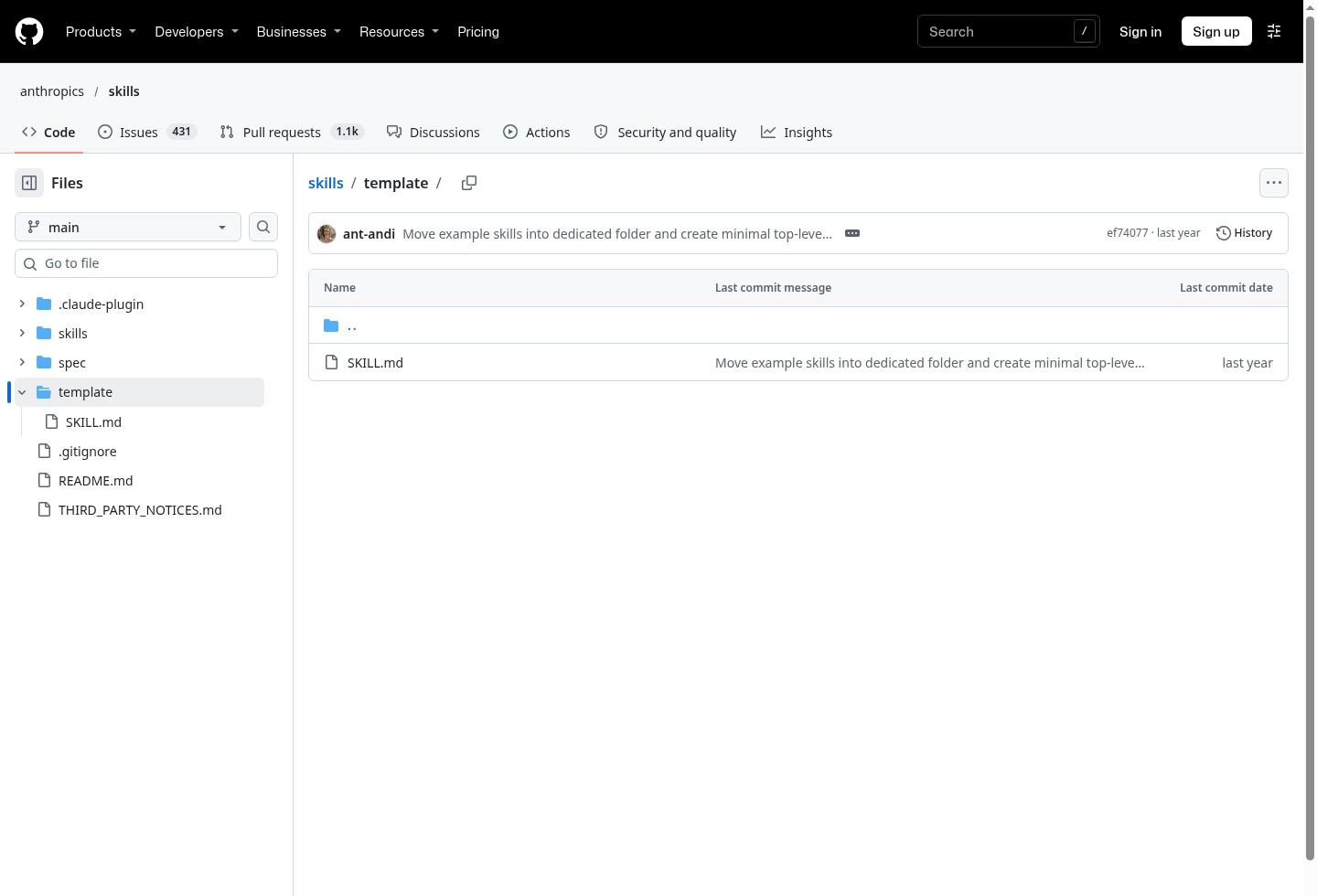
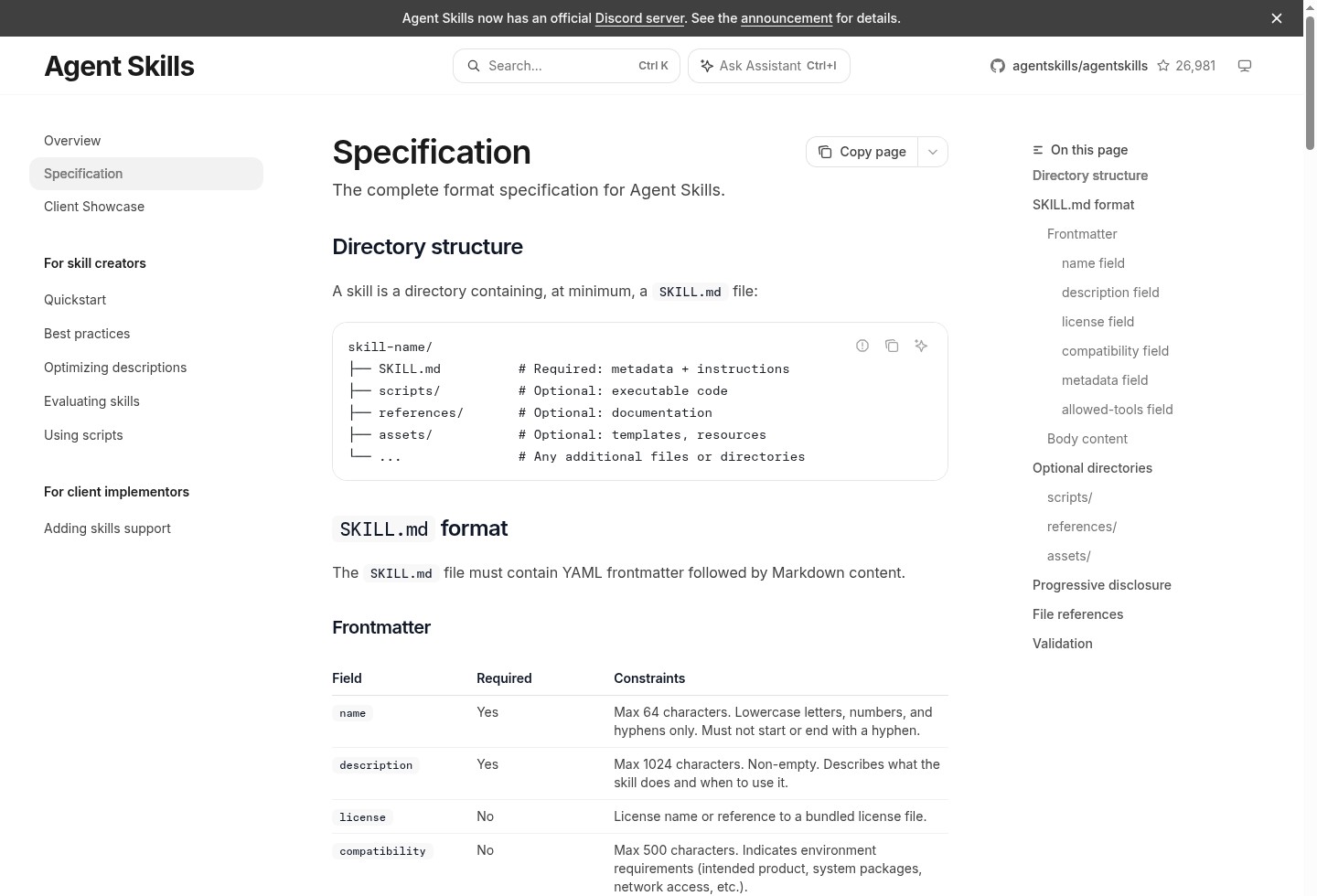
Before accepting a project, clearly define the scope on a single page to avoid turning it into a bottomless pit of “helping you make your Agent smarter.” The Agent Skills Open Standard defines a Skill as having SKILL.md The folder (which may contain scripts, references, and assets) can itself be placed under version control—which perfectly supports “reproducible delivery,” rather than exporting chat logs.
- Sample Tasks:Deliver N custom Skills for internal support/coding assistance, along with a test suite that can be run repeatedly.
- Includes:Skill catalog, trigger description, required references, evaluation criteria, and one-time integration guidance.
- Does not include:The other party’s model billing, 24/7 on-call support, a site-wide MCP overhaul unrelated to this package, and a guarantee of “xx% accuracy.”
- Termination Conditions:For every additional skill or every 10 or more evaluations added, the quote must be revised; if two consecutive rounds of evaluations result in a "red light" and the client refuses to adjust the scope, the project will be suspended.
Differences from the previous article: Local models that reduce cloud billing, offline dictation installations, app screenshot copy, and weekly Help Center updates—none of these are “revertable packages sold based on Skills and evaluation criteria.” This article focuses solely on this one type of deliverable.
How to Break Down Costs: Open Methods vs. Hypothesis-Based Estimates
Public Methods(You can explain the logic to the client): For each Skill, clearly define the trigger boundaries and resource files; “on-demand loading” means you’re delivering folder-level functionality, not just a single system prompt. Test cases are the safeguard that ensures “defects can be detected”—the fewer test cases there are, the cheaper it may seem at first, but the more expensive the rework will be.
Hypothetical Calculations(The numbers in the table can be replaced in their entirety; they do not represent market medians, nor are they guarantees of transaction prices):
- Basic Skill (description + a few references, no complex scripts): Estimated at 1.5–3 person-days.
- Includes script / computer-use agreement / multiple files; reference: estimated at 3–6 person-days.
- Test item: Assume 0.5–1.5 hours per item (including expectations, test setups, and failure examples).
- Allowance for rework: We recommend setting aside 15%–30% of the “Skill Subtotal + Evaluation Subtotal” as a separate line item, rather than just making up a figure after the fact.
Make the per-person daily rate a variable visible to customers R(Yuan per person-day). You can fill this in based on your own cost calculations. RDon't copy and paste quotes from other people's social media feeds to make yourself look like an authority.
Pricing Table: Based on Number of Skills + Evaluation Items
Below is the quote template with placeholder variables. Replace R, replace the "gears," "person-days," and "single-item evaluation hours" with your own figures; do not repost a screenshot of this table as an illustration.
| Row Item | Quantitative Variables | Unit Price Variable | Subtotal Formula |
|---|---|---|---|
| Basic Skill | N1 | 2×R | N1×2×R |
| Complex Skill | N2 | 4.5×R | N2 × 4.5 × R |
| Review Entries | E | 0.1×R | E × 0.1 × R |
| Allowance for Rework | - | 20% | 0.2 × (the sum of the top three lines) |
| Integration Counseling (Optional) | 1 time | 0.5×R | 0.5×R |
Example (hypothetical calculation, not an actual transaction price): N1=2, N2=1, E=40, R=2,000 yuan/person-day → Skill subtotal: 2×4,000+9,000=17,000; Evaluation: 40×200=8,000; Rework: 0.2 × 25,000 = 5,000; Optional Coaching: 1,000; Estimated quote range: approximately 31,000 (plus taxes and payment milestones). When the client changes the scope, only adjust N1, N2, and E; do not rewrite the user stories.
Validation, Payment Milestones, and Termination Conditions
The quote must clearly specify the acceptance criteria; otherwise, “subject to review” will become a catchphrase.
- Prepayment:The project will begin after the contract is signed; without an advance payment, the product will not be included in the other party’s production catalog.
- Mid-term:N1 + N2 Skill directories can be loaded + a dataset skeleton (the number of entries may initially be fewer than E, but the path conventions have been established).
- Final Payment:The agreed-upon E tests can be run repeatedly; test cases that fail must cover at least one of the following three categories: “false positive,” “false negative,” or “script failure”; deliverables must be pushed to the branch specified by the client in the repository.
- Stop:If a client requests that evaluations be changed to “feel better” and rejects objective criteria; or requests a guarantee that business KPIs (conversion rate, CSAT) are unrelated to Skill regression—mark this as out of scope and provide a separate quote.
Division of labor with the “Release List Course”: That course teaches how to create versions and rollback access controls in the repository; this article teaches you how to bundle Skill counts and test cases into a single order. When accepting an order, you can mention that the client needs a release list, but do not copy the course exercises into the body of your quote.
Our assessment:The pricing anchor for the "Returnable Skill" package is "number of skill units + number of test units," not the number of story units. It’s cleaner to include rework as a separate row in the table rather than offering a discount after the fact; please replace the coefficients in the table with your own R When discussing labor hours, do not present the example figures as market rates.
Reference Links
- Agent Skills Overview
- Agent Skills Specification
- GitHub: anthropics/skills
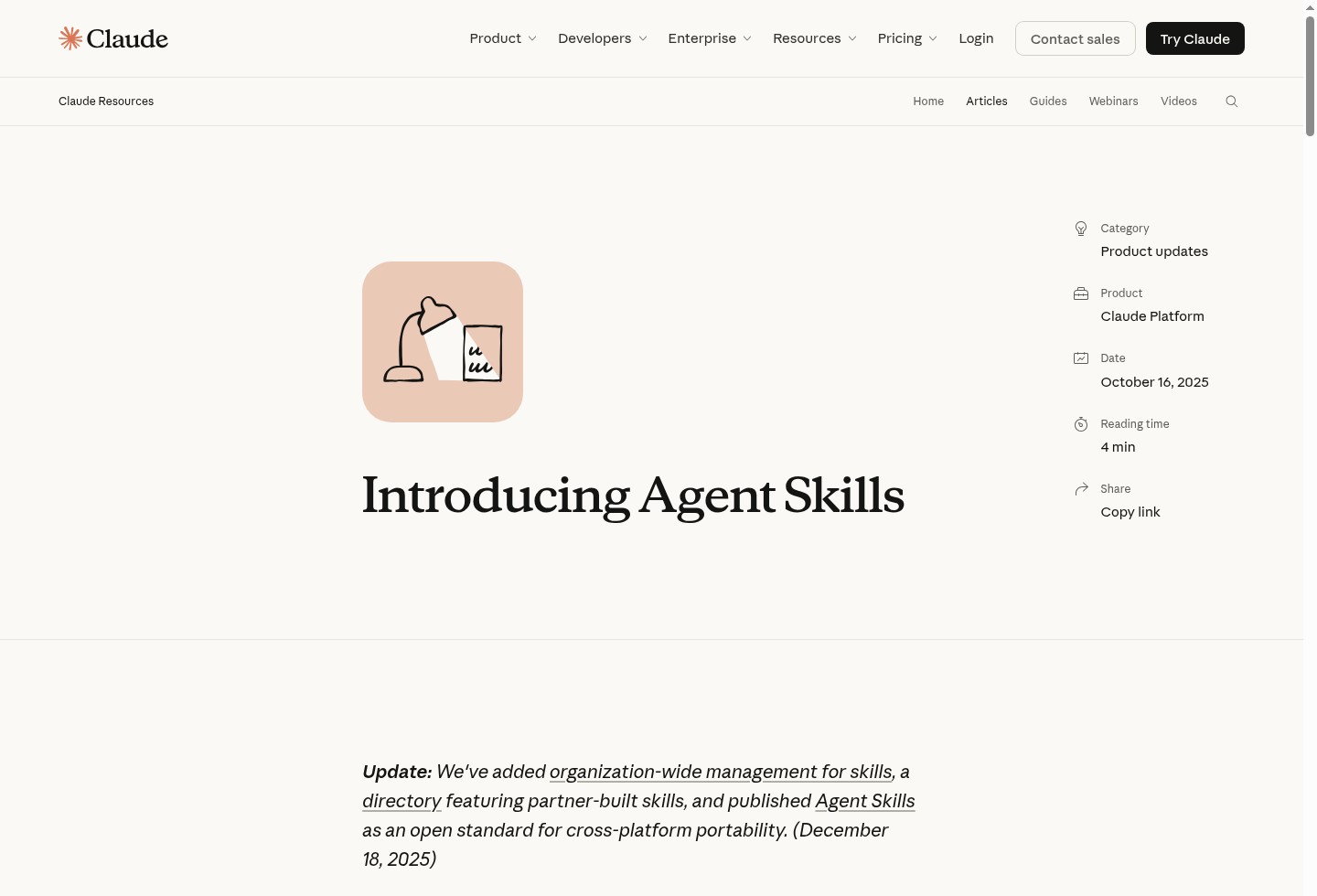
- Anthropic: Introducing Agent Skills
- Claude Code Docs: Skills


Comment List (0):
Load More Comments Loading...