
To be honest, when I first saw the videos generated by Veo 3, my jaw dropped. This is not a simple technological upgrade, it's like dropping an atomic bomb on the content creation field! I remember last year we were still discussing how realistic AI-generated static images are, and in the blink of an eye, video generation technology has made it easy for ordinary people to produce dynamic content that is comparable to professional-level content. This can not help but make me think: when the threshold of video creation to such a low, the entire content ecosystem will happen how the sky will turn?
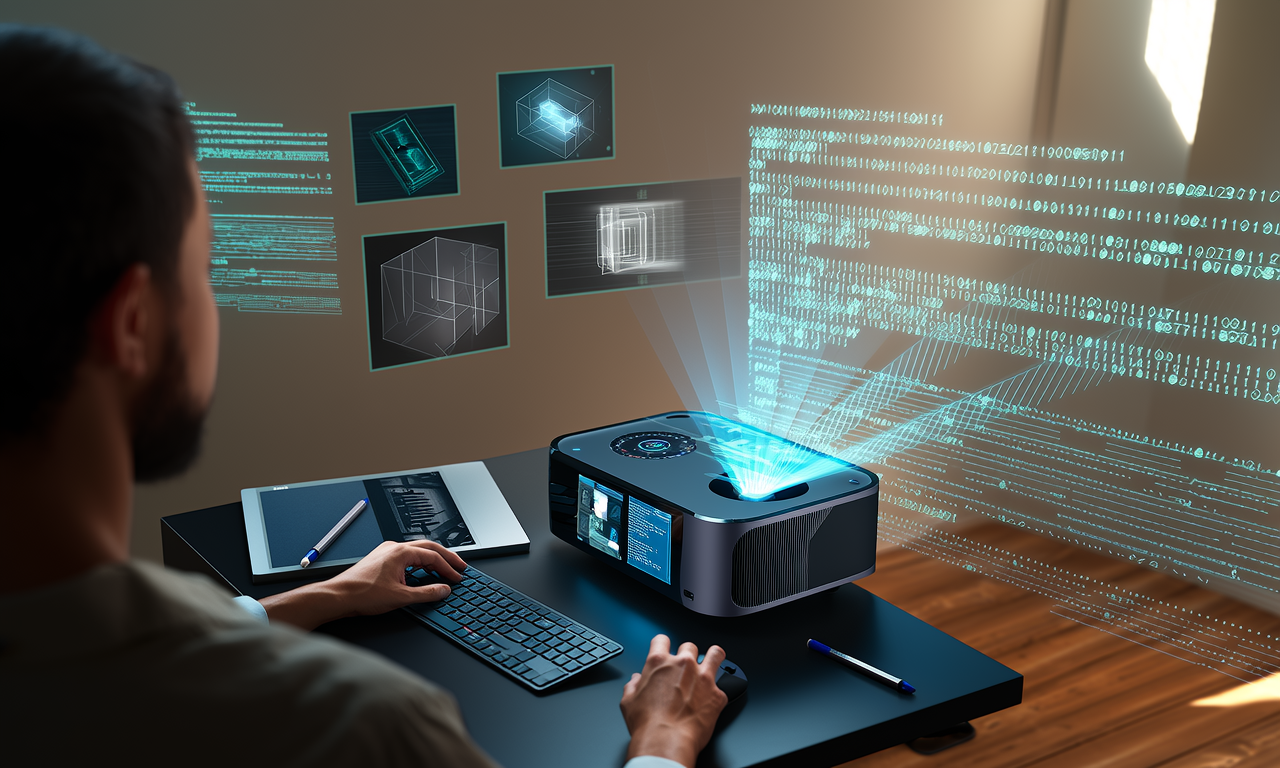
Recently, when testing the Sora tool integrated with Microsoft Bing, a particularly interesting discovery was that the most powerful thing about AI video generation is not just the technology itself, but its ability to read human "subtext". You type in something as simple as "a cat playing on a space station", and it will automatically fill in the details of the gravity environment, lighting effects, and other specialized details. This reminds me of those popular science videos on YouTube that get millions of views - in the future, you may not even need a professional team, ordinary people can use AI to make the same level of content in a few minutes. But does this mean that professional video producers will lose their jobs? I do not think so, they may be transformed into "AI video director", focusing on creative ideas and art direction.
The Democratization Revolution in Content Creation
Freepik's Kling 2.1 case is particularly illustrative. Traditional video production requires expensive equipment, specialized editing software, and a lengthy post-production process. Now what? A designer friend told me that he used AI tools last week to complete in one day what would have taken a week of teamwork. The most exaggerated is that AI can also adjust the video style in real time based on user feedback - which was simply unthinkable in the past. Data shows that the number of content creators using AI video tools grew by 3,87% year-on-year in Q1 2025, and that number is still rising wildly. But here's the question: when everyone can easily produce high-quality videos, will content homogenization get worse?
Speaking of business applications, HyperwriteAI's test results are particularly intriguing. They found that the conversion rate of product videos optimized with AI can be increased by 20-35%, which reminds me of a case I saw yesterday: a niche brand used Veo 3 to generate 100 ad videos with different styles for A/B testing, and finally selected the optimal version of the click-through rate is 3 times higher than the manually produced video! This "data-driven content optimization" model is changing the rules of the game in the marketing industry. But then again, when algorithms know more and more about how to stimulate users' dopamine secretion, will we fall into another "information cocoon"?
The future is here, but where is the direction?
When I saw the news of Perplexity and Samsung's cooperation, I suddenly realized that video generation technology is turning from a "tool" to an "infrastructure". In the future, it is very likely to appear like this - you speak into the phone, AI automatically generate personalized video pushed to friends; e-commerce page will be based on your browsing habits in real time to generate product display video; and even the field of education will be subverted, and each student will be able to get a customized teaching video. But then again, when AI can even generate videos perfectly, will "real" become the most luxurious content? Recently, I read that some people are using AI to fake videos of celebrity interviews, and if this technology is abused...
In any case, the change brought about by video generation technology has been unstoppable. It gives ordinary people unprecedented creative freedom, but also puts higher requirements on professional creators - after all, in the age of AI, creativity and aesthetics may be the last bastion of humanity. As my designer friend said, "Now the competition is not who can use software, but who has a bigger brain." I wonder what you think about this? Feel free to chat about your thoughts in the comments section~

Comment List (4):
Load More Comments Loading...