
It's a fascinating topic to talk about how AI enables natural body movements. I recently came across Zhejiang University and Alibaba's OmniAvatar system, and it blew me away -- it can take a photo and a piece of audio and turn them into animated full-body animations that come to life! It reminds me of the sci-fi movies I used to watch as a kid, but now it's a reality. The principle behind this technology is quite complex, however, and it's not as simple as just splicing a few animations together.
From Static to Dynamic Magic
Have you ever wondered why many AI-generated animations always feel a bit "fake"? OmniAvatar uses a very clever method - pixel-by-pixel multilayer audio embedding. Simply put, the AI listens carefully to each syllable in the audio, and then applies the sound signature like paint to each pixel of the video, layer by layer. For example, when you say "hello", "n" and "h" correspond to different mouth shapes and body movements, which AI has to accurately reproduce.
Where body language comes from
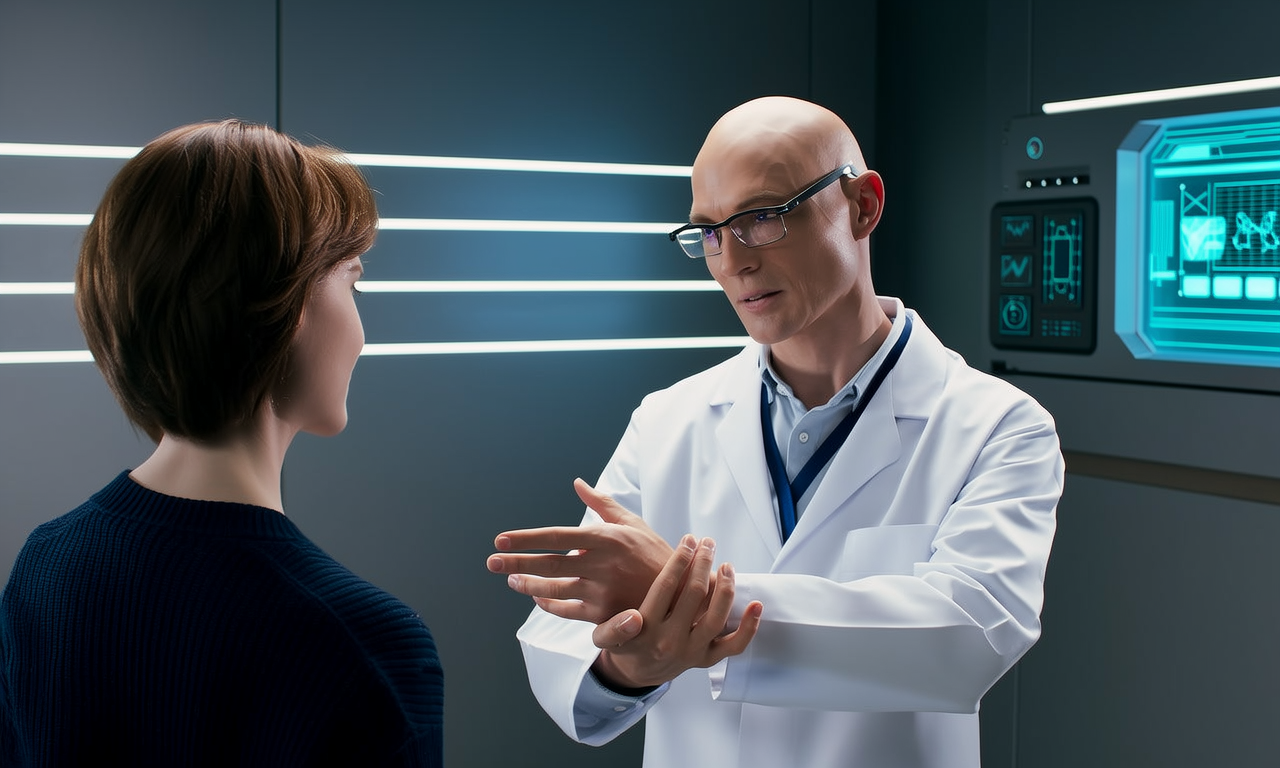
What surprised me the most was how natural OmniAvatar was able to handle even the body movements. You know, traditional technology allows the avatar to move its mouth at best, and its body like a wooden man. By analyzing 1,320 hours of real video data, the new system has learned the subtle body movements that humans make when they speak -- for example, a slight leaning forward of the shoulders in excitement, or an unintentional tilt of the head when thinking. It's these details that add up to make the digital human appear lifelike.
But it's not perfect. I've noticed that videos generated over long periods of time can still occasionally "drift", like an old TV with a spotty signal. The researchers used a clever trick: they put a "memory anchor" on the AI -- using the first frame as a reference, like a kite string, to keep pulling the digital person back to make sure that the image to make sure the image doesn't go off the rails.
Future possibilities
Honestly, if this technology were more mature, there would be too many applications to think about! I can already foresee lifelike virtual teachers in distance education, or never-tiring digital anchors in live e-commerce. However, in order for AI movements to reach the level of natural human fluency, there are still a lot of technical bottlenecks to break through -- such as dealing with body language when interacting with multiple people, or expressing more subtle emotional changes.
It seems that in order for AI to truly "live", they need to learn to observe more of the human body language code. After all, we human beings from small babies, not also took more than ten years to learn to do natural and fluent movements? For AI, this is also a process that takes time to accumulate. But just judging by the current rate of development, maybe we'll see even more amazing breakthroughs in a few years.
As I write this, it occurs to me that it would be an amazing feeling to have a digital person who can imitate my signature moves in a completely natural way one day - exciting and a little bit apprehensive at the same time!

Comment List (3):
Load More Comments Loading...